Concrete is built to last, but even strong structures often deteriorate when exposed to moisture, salt, carbon dioxide and the elements over many years. In strata buildings, one issue that property owners and strata committees should never ignore is concrete cancer.
Despite its alarming name, concrete cancer is not a disease. It is a form of concrete deterioration that can affect reinforced concrete structures, causing cracking, spalling and corrosion of the steel reinforcement inside. If left untreated, the damage can progress and compromise the durability and safety of the building.
For strata properties, identifying the problem early and arranging professional remedial repairs can help protect the building, its occupants and the value of individual lots.
Sydney Architectural Construction provides tailored construction and remedial solutions for properties across Sydney, helping property owners address building deterioration with practical, quality-focused repairs. Read on to understand what causes concrete cancer, how to recognise it and what remedial repairs may involve.
What Is Concrete Cancer?
Concrete cancer occurs when the steel reinforcement embedded inside concrete begins to corrode.
Normally, concrete provides protection to reinforcing steel. Over time, however, moisture and carbon dioxide can penetrate the concrete. In coastal environments, chloride salts can also contribute to corrosion. As the steel rusts, it expands and places pressure on the surrounding concrete.
Eventually, this pressure can cause the concrete to crack, delaminate or break away from the surface. This exposed and deteriorating concrete is commonly referred to as spalling.
Concrete cancer can affect balconies, car parks, beams, columns, slabs, facades and other reinforced concrete elements commonly found in strata buildings.
What Causes Concrete Cancer in Strata Buildings?
Several factors can contribute to reinforced concrete deterioration.
Water Ingress and Moisture
Persistent moisture is one of the most common contributors. Water can enter through cracks, damaged waterproofing, failed joints or exposed surfaces and reach the reinforcement.
Balconies, podiums, basement car parks and external concrete areas can be particularly vulnerable when water is not adequately managed.
Corrosion of Steel Reinforcement
Once moisture and other corrosive agents reach the reinforcement, steel can begin to rust. Because rust occupies more space than the original steel, it can create internal pressure and cause surrounding concrete to crack and spall.
Carbonation
Carbonation is a natural chemical process in concrete that can gradually reduce its alkalinity. As carbonation progresses towards the reinforcement, the protective environment around the steel can be reduced, increasing the risk of corrosion when moisture is present.
Coastal Conditions
Sydney’s coastal environment can expose buildings to salt-laden air and moisture. Properties located close to the coast may therefore require particular attention to concrete durability and corrosion-related deterioration.
What Are the Signs of Concrete Cancer?
Concrete cancer does not always begin with dramatic structural damage. Early warning signs can be relatively easy to overlook.
Look for:
✓ Cracks appearing in concrete surfaces
✓ Concrete that is flaking, bulging or breaking away
✓ Rust staining around cracks
✓ Exposed steel reinforcement
✓ Damp or water-damaged areas
✓ Deteriorating balcony edges
✓ Hollow-sounding concrete when assessed appropriately
✓ Localised spalling on beams, columns or slabs
Seeing one of these signs does not automatically mean your building has concrete cancer. However, unexplained deterioration should be professionally assessed to determine its cause and severity.
Why Is Concrete Cancer a Concern for Strata Buildings?
Strata buildings can make building maintenance more complicated because responsibility for common property is generally shared and decisions may involve owners corporations, strata managers, engineers, building consultants and contractors.
A small defect affecting a balcony, facade or common structural element can become a larger building maintenance issue if the underlying cause is not addressed.
Delaying repairs may also result in more extensive deterioration, greater disruption and higher repair costs. Early investigation allows the strata community to understand the condition of the affected area and determine an appropriate repair strategy.

How Are Concrete Cancer Repairs Carried Out?
The correct repair method depends on the extent and cause of the deterioration. Remedial repairs should address the underlying problem rather than simply covering visible damage.
1. Inspection and Assessment
The first step is understanding what is happening. A professional assessment can identify visible deterioration and help determine whether further investigation or specialist engineering advice is required.
For larger strata projects, a building consultant or engineer may be involved in establishing the extent of damage and recommending an appropriate remediation approach.
2. Removing Damaged Concrete
Where concrete has deteriorated or become detached, the affected material may need to be carefully removed to expose the damaged reinforcement and sound surrounding concrete.
This stage needs to be carried out carefully to avoid unnecessarily damaging unaffected areas.
3. Treating Corroded Reinforcement
Exposed reinforcement can be assessed and treated according to the repair specification. Where reinforcement has suffered significant section loss, an engineer may recommend additional strengthening or replacement measures.
4. Concrete Repair and Restoration
Suitable repair materials are applied to reinstate the concrete and restore the affected area. The repair should be compatible with the existing structure and appropriate for its location and exposure conditions.
5. Addressing Moisture and Waterproofing
Repairing the concrete alone may not solve the problem if water continues to enter the structure.
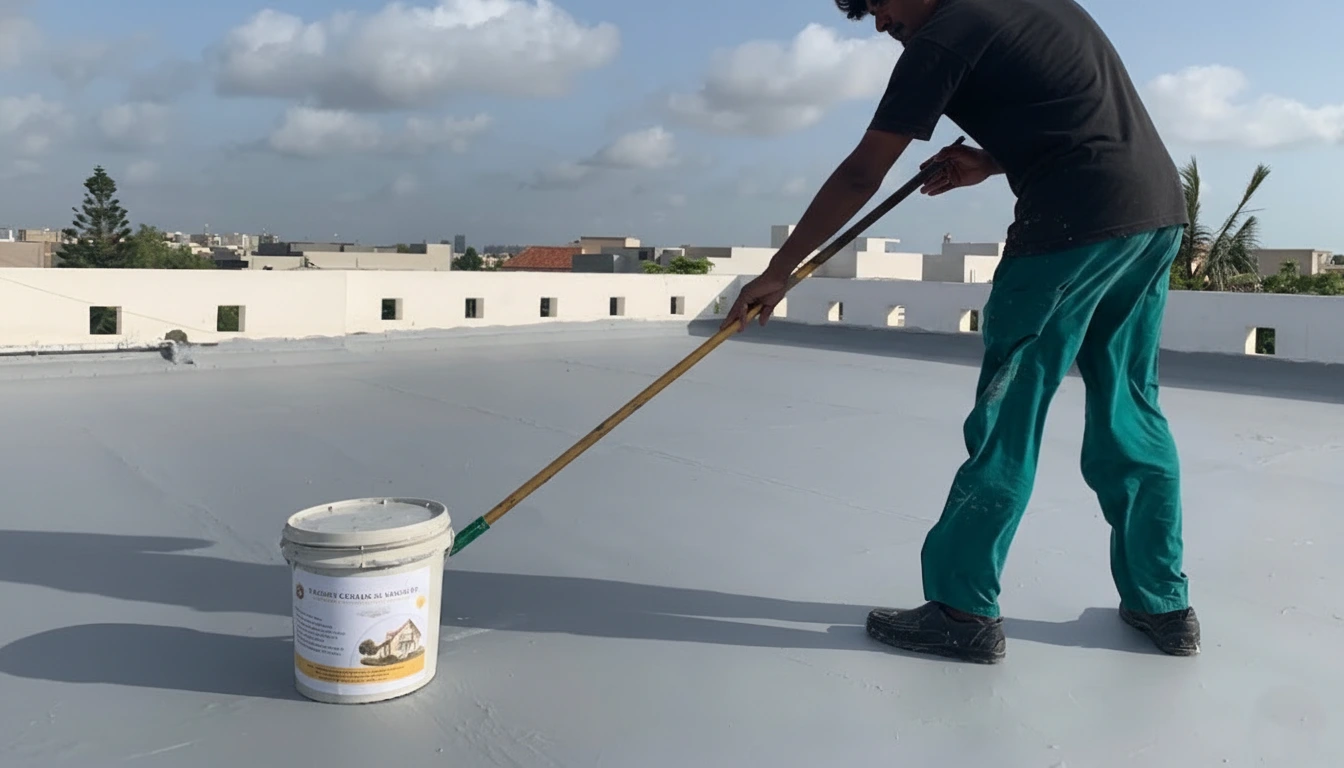
Depending on the location, additional waterproofing, drainage improvements, protective coatings, or joint repairs may be required to reduce the risk of recurring deterioration.
Can Concrete Cancer Be Prevented?
No building can be completely protected from deterioration, but proactive maintenance can help identify problems before they become more extensive.
For strata buildings, preventative measures can include regular inspections, maintaining waterproofing systems, addressing cracks promptly, keeping drainage systems functioning and monitoring exposed concrete elements.
Regular maintenance is particularly important for balconies, facades, car parks and other areas exposed to moisture and weather.
Why Professional Remedial Repairs Matter
Concrete cancer is not simply a cosmetic issue. Painting over cracks or patching visible spalling without addressing the underlying cause may only provide a temporary improvement.
Professional remedial work takes a more comprehensive approach by identifying the cause of deterioration, determining the extent of damage and implementing appropriate repairs.
At Sydney Architectural Construction, we understand that strata remedial work requires careful planning, quality work and clear communication. We work with property owners and project stakeholders to deliver tailored building and remedial solutions designed around the condition and requirements of the property.
When Should Your Strata Building Be Assessed?
If you notice cracking, rust staining, spalling or exposed reinforcement, don’t wait for the damage to become more extensive.
An assessment is particularly worthwhile when deterioration is recurring, appears to be spreading or occurs around important structural elements such as balconies, columns, beams or slabs.
The earlier a potential issue is identified, the more informed your strata committee can be when planning repairs and managing the building’s long-term maintenance.
Protect Your Strata Property with the Right Remedial Approach
Concrete cancer can be concerning for strata owners, but early action and appropriate remedial repairs can help restore deteriorated concrete and protect the building for the future.
The key is to look beyond the visible damage. Understanding why the deterioration occurred is essential to developing a repair strategy that addresses the problem properly.
Sydney Architectural Construction delivers remedial construction and building repair solutions across Sydney, with a focus on quality, precision and practical project management.
If your strata building is showing signs of concrete deterioration, contact us at Sydney Architectural Construction to discuss your repair requirements and determine the next step!
Frequently Asked Questions
Is concrete cancer dangerous?
Concrete cancer can become a serious building maintenance issue when deterioration affects structural elements or allows concrete to continue breaking away. The seriousness depends on the location and extent of the damage, so suspected deterioration should be professionally assessed.
Can concrete cancer be repaired?
In many cases, deteriorated reinforced concrete can be repaired. The appropriate method depends on the cause, extent and location of the damage and may require input from an appropriately qualified engineer or building professional.
Who is responsible for concrete cancer repairs in a strata building?
Responsibility depends on whether the affected area is common property or part of an individual lot, as well as the strata plan and applicable requirements. An owners corporation, strata manager and relevant professionals can help determine the appropriate responsibilities and repair process.
How can strata owners prevent concrete cancer?
Regular inspections and proactive maintenance can help identify early signs of deterioration. Maintaining waterproofing, drainage and exposed concrete surfaces can also reduce the conditions that contribute to reinforcement corrosion.
How long do concrete cancer repairs take?
The timeframe depends on the size of the affected area, the extent of deterioration, access requirements, engineering recommendations and the repair method. A suitable assessment and scope of work can provide a clearer project timeframe.